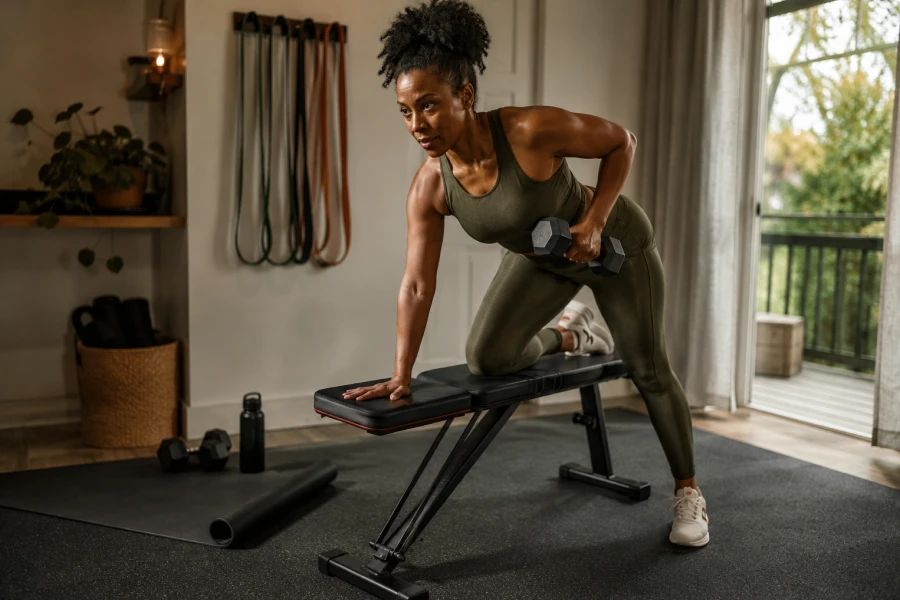
Home gym equipment for weight loss should make movement easier, not fill a room with regret. The best pieces suit available space, current fitness, preferences, and realistic routines. A machine only helps when someone feels comfortable using it repeatedly. Smaller tools can often support strength, cardio, mobility, and progressive challenge. Larger equipment may still be valuable when it matches a favored activity. The decision should begin with behavior rather than advertising. Consider where workouts will happen, how often, and for how long. Think about storage, noise, maintenance, and the types of movement enjoyed most. Weight loss comes from a broader pattern that includes nutrition, recovery, and consistency. Equipment earns its place when it removes friction from that pattern.
A treadmill can be excellent for someone who enjoys walking indoors. It becomes expensive storage when the activity feels unpleasant. The same principle applies to bikes, rowers, benches, and resistance systems. Start by identifying movements that already feel approachable. Walking, cycling, strength training, or short circuits may provide useful direction. Then choose tools that make those actions easier to repeat. A practical selection of home workout equipment should support the user’s actual routine. It should not depend on becoming a completely different person. Enjoyment matters because repeated movement requires less negotiation when it feels satisfying. Habit compatibility usually predicts value better than a long feature list.
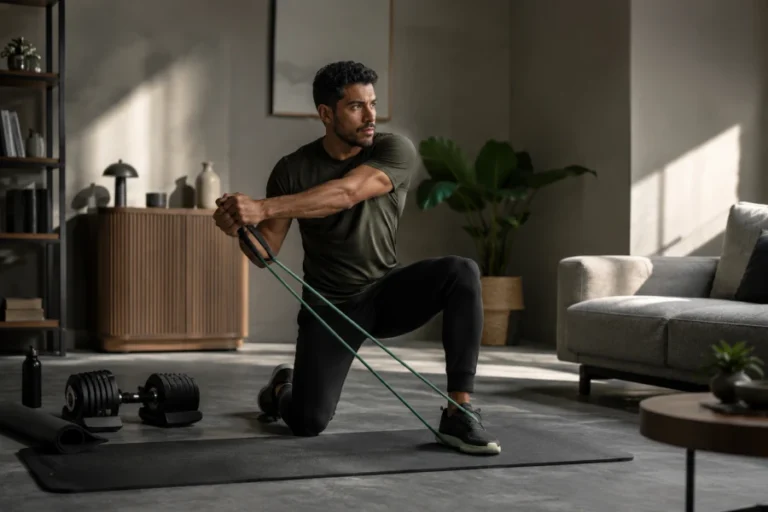
Versatile equipment offers more options without demanding more floor space. Resistance bands can support rows, presses, squats, and mobility work. Adjustable dumbbells provide progressive challenge while replacing several fixed pairs. A sturdy mat creates a comfortable base for strength and floor exercises. A step platform can serve cardio, lower-body work, and elevated movements. Suspension trainers may add full-body variety when safely installed. These tools allow many workout styles with limited storage. They also make it easier to adjust intensity as fitness improves. Beginners often benefit from flexibility more than specialized machinery. A compact foundation can support months of progress before larger purchases become necessary.
The body adapts when workouts remain unchanged for too long. Progress therefore requires gradual increases in resistance, duration, speed, or complexity. Adjustable equipment makes those changes easier to manage. Dumbbells can become heavier, bands can increase tension, and intervals can lengthen. Cardio machines can add incline or resistance without changing the movement. This progression helps workouts remain challenging as fitness develops. It also provides visible evidence of improvement beyond the scale. Recording repetitions, resistance, or workout duration can maintain motivation. A thoughtful set of weight loss fitness tools should support growth rather than a single intensity level. Equipment becomes more valuable when it continues serving the user over time.
Cardio can improve endurance and increase daily energy expenditure. Strength training helps preserve or build muscle while supporting physical function. Combining both creates a more complete home routine. A bike or walking pad may provide accessible cardio in limited space. Dumbbells, bands, or kettlebells can cover major strength patterns. Bodyweight exercises also remain valuable and require little equipment. The ideal balance depends on health, goals, experience, and personal enjoyment. Recovery days should include lighter movement rather than constant intensity. A sustainable week might alternate strength sessions with walking or cycling. Balanced training protects progress by reducing boredom and overuse.
Safety begins with stable equipment, clear space, and appropriate intensity. Check weight limits, fasteners, cables, and surfaces before regular use. Keep the workout area free from cords, toys, and slippery rugs. Learn proper setup before increasing resistance or speed. Beginners should choose controlled movements they can perform confidently. Pain differs from normal effort and should never be ignored. Shoes, ventilation, hydration, and temperature also influence comfort. A structured beginner home gym plan can prevent impulsive purchases and unsafe combinations. Professional instruction may help when injuries or medical conditions affect movement. Safe equipment supports consistency because it builds confidence rather than hesitation.
No machine creates results while sitting unused in a corner. Equipment simply makes certain behaviors more convenient and measurable. Place frequently used items where setup remains quick. Keep the workout area inviting rather than crowded. Schedule short sessions when longer workouts feel unrealistic. Ten or twenty minutes can still strengthen the routine. Pair exercise with music, a podcast, or a familiar time cue. Track completed sessions rather than waiting for dramatic physical changes. Consistency develops identity, confidence, and increasing capacity. The most valuable equipment is the equipment that repeatedly helps movement happen.



Leave a comment