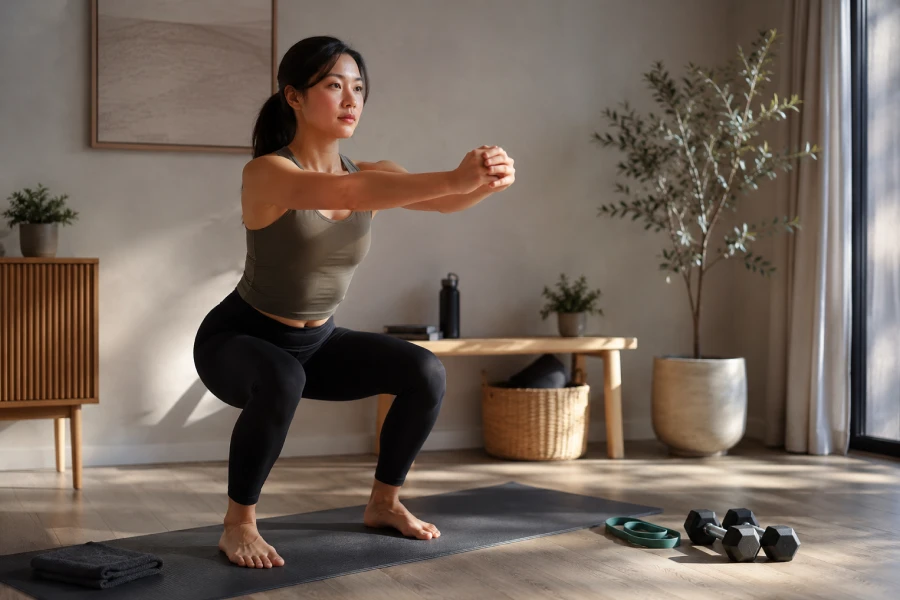
A home fitness setup for beginners should create confidence before it creates complexity. New exercisers need safe movement options, clear progression, and minimal setup. Too much equipment can make the starting point feel confusing. A few versatile tools usually provide enough variety for early strength and cardio. The space should feel welcoming, stable, and easy to use. It should also accommodate changing ability without demanding immediate upgrades. Beginners benefit from routines that make success visible quickly. Consistent sessions matter more than advanced exercises or long workouts. Equipment serves progress when it supports learning rather than intimidation. A strong beginning builds the habits that later make expansion worthwhile.
Simplicity reduces the number of decisions required before every workout. A mat, resistance bands, and light dumbbells can cover many foundational movements. Beginners can practice squats, hinges, pushes, pulls, carries, and core exercises. Walking provides accessible cardio without requiring additional equipment. A step platform or stationary bike may add variety when preferred. Each tool should have an obvious role in the routine. A focused selection of home fitness equipment prevents clutter from replacing clarity. New users should learn a small number of movements first. Repetition builds coordination, strength, and comfort. Complexity can arrive later when the basic routine already feels dependable.
The workout area does not need to occupy an entire room. A clear corner can work when equipment remains organized and accessible. Measure the space required for lying down, reaching overhead, and stepping sideways. Store bands, weights, and towels in one nearby container. Use a wall hook or rack only when installation remains secure. Good lighting and airflow make the area more comfortable. A mirror is optional and should never replace attention to form. Keep the floor stable and free from trip hazards. The goal is to reduce setup to a few simple actions. Easy access helps a planned workout survive busy or low-energy days.
Progress becomes easier when equipment offers several levels of challenge. Resistance bands can vary by thickness, length, or doubled tension. Adjustable dumbbells allow small increases without buying many separate pairs. Bodyweight exercises can change through range, tempo, or support. Cardio can progress through longer duration, faster pace, or added incline. Beginners should change one variable at a time. This approach makes improvement measurable and reduces unnecessary strain. A practical set of resistance training equipment gives room for growth without overwhelming choices. Progress should feel gradual, controlled, and repeatable. Stronger habits and stronger muscles can develop together.
Good technique creates a safer foundation for future challenge. Begin with controlled repetitions and a comfortable range of motion. Use support when balance or confidence remains limited. Stop a set when form changes significantly. Muscle effort is expected, but sharp pain deserves immediate attention. Video instruction can help when it comes from qualified professionals. In-person coaching may be valuable for injuries or complex needs. Rest periods should allow breathing and control to return. More intensity does not automatically mean more effective training. Skillful movement makes every later increase more useful.
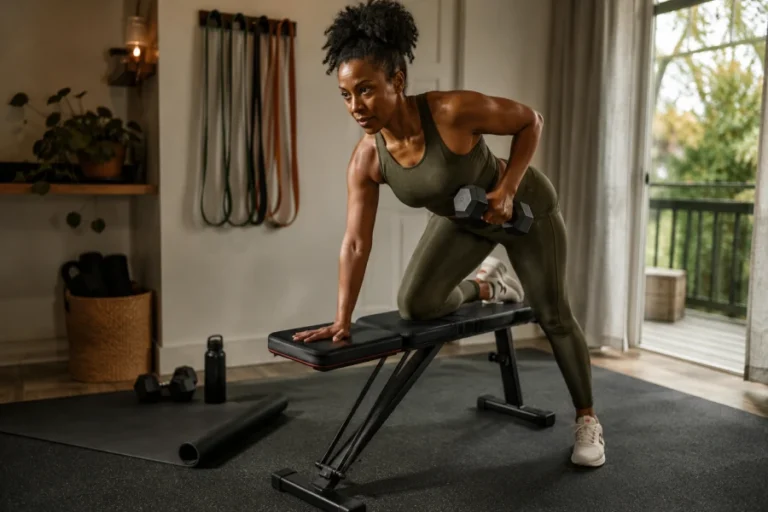
Expansion should solve a real limitation rather than satisfy temporary excitement. Add heavier resistance when current tools no longer create challenge. Consider a bench when floor-based pressing becomes restrictive. Choose a cardio machine after confirming the preferred activity. Add storage before equipment begins spreading across the room. A pull-up bar requires secure installation and appropriate doorframe strength. Larger items should fit the space with safe clearance. A structured budget-friendly gym setup helps prioritize purchases by usefulness. Waiting can reveal whether a product solves a lasting need. Thoughtful growth protects both motivation and money.
The space becomes valuable when it supports a dependable schedule. Choose specific workout days and a realistic session length. Prepare equipment before the planned start when possible. Keep the first few minutes easy to reduce resistance. A short warm-up can create momentum without feeling demanding. Track completed sessions, exercises, and simple progress markers. Celebrate consistency before expecting visible transformation. Missed workouts should lead to a restart, not abandonment. The routine becomes stronger every time returning feels normal. Eventually, the space represents capability rather than another unfinished intention.



Leave a comment