
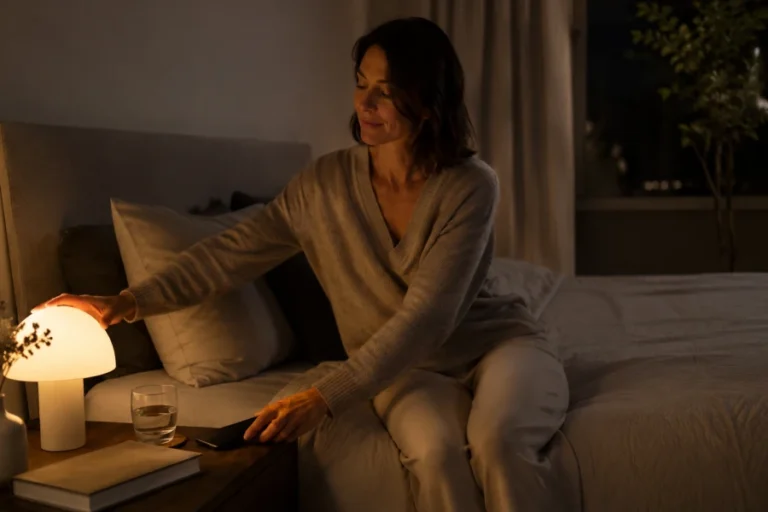
A bedtime routine for deep sleep should feel like relief rather than another performance. Its purpose is to reduce stimulation and create a predictable transition into rest. Many people overdesign the process, then abandon it when life becomes busy. A simpler sequence often works better because it survives ordinary evenings. Lower the lights, finish essential tasks, and choose one calming activity. The body begins to recognize these repeated cues over time. That recognition makes relaxation feel more automatic and less forced. A dependable routine can also reduce late-night scrolling and mental overactivity. Better sleep rarely requires a dramatic lifestyle overhaul. It often starts with a few quiet actions repeated in the same order.
Evenings become chaotic when the wind-down period has no defined starting point. Work stretches later, screens stay bright, and small tasks keep multiplying. Choose a simple cue that marks the beginning of the transition. It might be turning off overhead lights or preparing tomorrow’s clothes. This cue should happen at roughly the same time most nights. The action itself matters less than the consistency behind it. A clear beginning helps prevent bedtime from arriving unexpectedly. It also gives unfinished tasks a natural stopping boundary. Creating a relaxing bedtime routine becomes easier when the first step requires little motivation. The evening gains structure before tiredness begins making decisions.
Not every relaxing activity supports sleep equally well. Fast-paced entertainment may feel enjoyable while keeping the mind highly alert. Work messages can reactivate problem-solving when the day should be closing. Better options reduce emotional intensity and decision-making. Gentle reading, stretching, warm bathing, or quiet music can fit naturally. Breathing exercises help some people, although they should never feel like a test. Journaling may also move worries from the mind onto paper. Keep the activity familiar enough that it does not demand concentration. A dependable nighttime relaxation practice should feel pleasant, not medically prescribed. Calm arrives more easily when the chosen ritual genuinely suits the person.
Screens influence sleep through light, stimulation, and endless access to new content. Removing every device may be unrealistic for work, family, or entertainment. Instead, create boundaries that reduce the most disruptive use. Dim the display, silence nonessential alerts, and avoid emotionally activating content. Place the phone away from the bed before the final calming activity. Use an alarm clock when checking the phone becomes automatic. A short screen-free window can still create a meaningful shift. The aim is not moral purity around technology. It is to stop the mind from receiving fresh demands until sleep. Thoughtful boundaries make the final minutes feel quieter and more contained.
A comfortable room supports sleep without requiring a luxury renovation. Temperature, darkness, noise, and bedding deserve attention first. Cooler conditions often feel better, although individual preferences vary. Reduce light with curtains, shades, or a comfortable eye mask. Soften noise through earplugs, a fan, or steady background sound. Keep frequently needed items nearby to prevent late-night searching. Remove work documents and visible reminders of unfinished tasks. Fresh sheets and a clear sleep surface can also improve the experience. The room should feel physically comfortable and mentally uncomplicated. Small environmental improvements often produce more value than expensive sleep gadgets.
A routine that only works on ideal nights will not remain useful. Create a full version and a shorter version for demanding evenings. The full sequence might take thirty minutes and include several calming steps. The shorter version might use dim lights, basic hygiene, and five quiet minutes. Both versions should preserve the same general order. This consistency keeps the cue recognizable even when time changes. Parents, travelers, and shift workers especially benefit from flexible structure. A practical screen-free bedtime window can also shrink rather than disappear. Flexibility protects the habit from becoming an all-or-nothing project. The routine remains supportive because it adapts without losing its identity.
Sleep becomes harder when every evening feels like a test. Missing one step does not ruin the night or erase progress. The body can rest even when the routine remains imperfect. Use the sequence as an invitation rather than a command. If sleep does not arrive, avoid staring at the clock repeatedly. Leave the bed briefly when frustration grows, then return when sleepiness increases. Choose a quiet activity under low light during that interval. Persistent insomnia or major daytime impairment deserves professional medical attention. A routine supports sleep, but it does not replace individualized care. The healthiest approach combines structure with patience and realistic expectations.



Leave a comment